


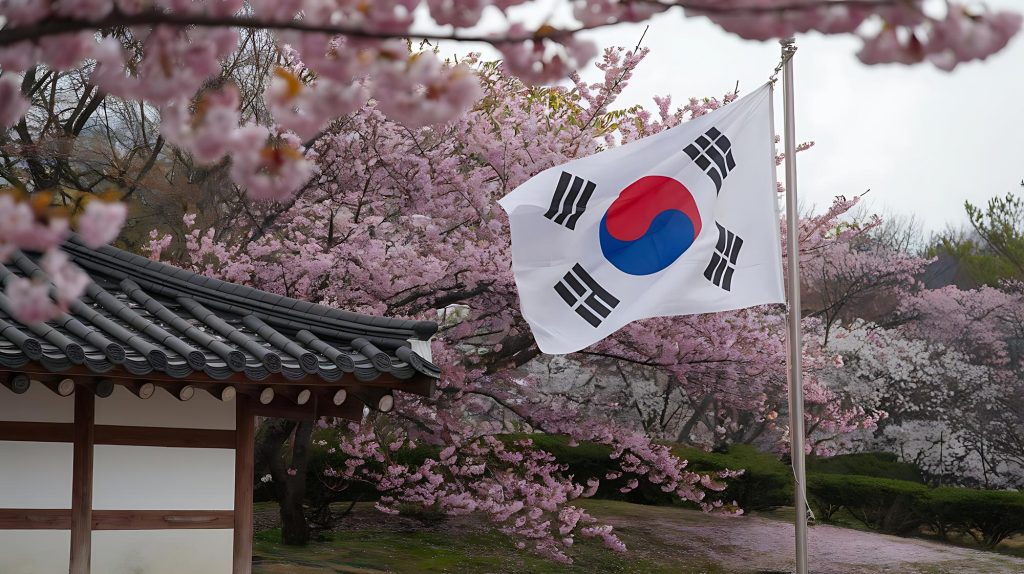
About Korea travel itinerary template
Korea is an attractive destination with a combination of traditional culture and modernity. Korea travel itinerary template is a great choice to help you explore famous landmarks, enjoy typical cuisine and experience interesting activities. This article will provide you with a detailed Korea travel itinerary, helping you make the most of your time and discover all the interesting things this country has to offer.

Benefits of use Korea travel itinerary template
Usage Korea travel itinerary template help you plan your trip scientifically and save time. Below are the benefits of using Korea travel itinerary template:
- Save time: A clear schedule helps you avoid wasting time not knowing where to go or what to do next.
- Comprehensive Discovery: Korea travel itinerary template will help you fully explore outstanding destinations such as the capital Seoul, Jeju Island, the coastal city of Busan and important historical sites.
- Reduce costs: When you have a detailed schedule, you can easily manage costs, avoid spending money on unnecessary activities and focus on important experiences.
- Satisfy diverse travel needs: Korea has a wide range of options for different interests, from visiting historical sites, exploring cuisine to shopping and enjoying traditional festivals. One Korea travel itinerary template will help you combine these activities in a sensible way.

Korea travel itinerary template 7 days
Below is a sample 7-day Korea travel itinerary, helping you explore the outstanding destinations and experience the unique culture of this country:
Day 1: Explore Seoul – The Capital of Korea
- Bright: Sightseeing Gyeongbokgung Palace, where you can admire ancient architecture and learn about the history of the Joseon Dynasty.
- Afternoon: Visit National Museum of Korea and explore precious Korean artifacts.
- Dark: Walking around town Myeongdong to shop and enjoy famous street foods such as tteokbokki (spicy rice cakes) and hotteok (sweet donuts).
Day 2: Visit Seoul and experience cuisine
- Bright: Visit Namsan Tower to see the whole of Seoul from above.
- Afternoon: Sightseeing Namdaemun Market, where you can enjoy typical Korean dishes such as bibimbap (mixed rice) and kimchi.
- Dark: Spend time walking around at Dongdaemun, a shopping district famous for its fashion items.
Day 3: Travel to Jeju Island
- Bright: Fly to Jeju Island, sightseeing Hallasan Mountain and enjoy the natural scenery.
- Afternoon: Sightseeing Cheonjiyeon Falls and enjoy the fresh air.
- Dark: Walk around Jeju Sea Road and enjoy fresh seafood.
Day 4: Explore Jeju Island
- Bright: Visit Jeju Folk Village to learn about the traditional life of local people.
- Afternoon: Sightseeing Seongsan Ilchulbong National Park, where you can admire the beautiful sunrise from the top of the mountain.
- Dark: Spend some relaxing time at one of Jeju's famous resorts.
Day 5: Busan Sightseeing
- Bright: Move to Busan, sightseeing Haeundae Beach, one of the most famous beaches in Korea.
- Afternoon: Sightseeing Jagalchi Market and enjoy fresh seafood.
- Dark: Strolling at Gamcheon neighborhood with colorful houses and unique artistic atmosphere.
Day 6: Gyeongju – Ancient City of Korea
- Bright: Sightseeing Bulguksa Temple and Seokguram Temple, UNESCO cultural heritages.
- Afternoon: Discover Royal Tombs Park and learn about Korean history.
- Dark: Walk around Gyeongju Old Town and try signature dishes like Gyeongju Bibimbap.
Day 7: Return to Seoul and shopping
- Bright: Return to Seoul and spend some time sightseeing Insadong neighborhood, famous for its traditional arts and crafts.
- Afternoon: Shop at Lotte World Mall and try delicious food at fine restaurants.
- Dark: End the trip with dinner at Bukhansan, where you can enjoy delicious dishes in a quiet space.
FAQ – Answers to frequently asked questions about Korea travel itinerary template
1. How long is a reasonable itinerary for a trip to Korea?
Depending on personal preferences and time, an ideal Korean travel itinerary usually lasts from 7 to 10 days to fully visit the prominent locations.
2. Can I join the tour to Korea?
Yes, you can join a tour to Korea to save time and effort in planning. However, if you like to explore freely, independent travel will bring more interesting experiences.
3. What season should I go to Korea?
Spring (March to May) and autumn (September to November) are ideal times to travel to Korea, when the weather is cool and the natural scenery is beautiful.

Conclude
Korea travel itinerary template help you enjoy your trip to the fullest, exploring great destinations such as Seoul, Jeju, Busan, and Gyeongju. By planning in detail, you will save time, money and be able to experience all that the land of kimchi has to offer. Surely your trip to Korea will be memorable and meaningful.
