


About notes when flying
Understanding notes when flying is the first step to help you have a safe, convenient and hassle-free trip. From ticketing procedures, preparing hand luggage to liquid regulations, every detail has a direct impact on the flying experience. This article will provide complete, detailed instructions so you can be confident before every journey.
Benefits or important reasons to know notes when flying
Clearly understand notes when flying brings many practical benefits to passengers, especially for those who use air transport for the first time. Here are some important reasons:
- Save waiting time: Preparing all the necessary documents and completing the procedures properly will help you avoid wasting time waiting in line.
- Reduce the risk of lost luggage: Carefully packing and labeling checked baggage and carry-on baggage according to regulations will minimize loss.
- Ensuring flight safety: Complying with regulations on liquids, sharp objects, spare batteries, etc. helps flights run smoothly without violating aviation security regulations.
- Take advantage of convenient services: By understanding notes when flying, you will know how to register for seats in advance, use the lounge, or other privileges effectively.
- Increase comfort experience: Preparing clothes, arranging boarding time, and eating snacks properly will help stabilize your health and avoid fatigue or airsickness.
FAQ – Answers to frequently asked questions about notes when flying
1. What documents do I need to prepare when traveling by domestic flight?
When flying domestically, you need to bring your ID card/CCCD or valid passport. Children under 14 years old need a birth certificate or passport. Make sure the documents are original and still valid. If flying internationally, the passport must be valid for at least 6 months before the departure date.
| Passenger | Required documents |
| Adults (>14) | Valid ID card/CCCD or Passport |
| Children (<14) | Birth certificate or valid passport |
| International flights | Passport valid for >6 months |
2. How many kilograms of carry-on baggage are allowed on the plane?
Depending on the airline, carry-on luggage usually ranges from 7-10kg. Some airlines may have a maximum size of 56x36x23cm. To be sure, you should check the specific regulations of each airline (Vietnam Airlines, Vietjet Air, Bamboo Airways...) before packing your luggage.
3. Can I bring liquids on the plane?
You are allowed to bring liquids in bottles of no more than 100ml/bottle. The total amount of liquids must not exceed 1 liter/person and must be carried in a transparent plastic bag. For baby milk and medicine, you should bring a prescription or medical indication for approval.
4. Can I bring food or fruit on the plane?
Snacks, fruits, and sweets can be brought on domestic flights. However, for international flights, each country has its own regulations on imported food. Check the customs regulations of the destination country to avoid violations, especially with fresh or processed food.
5. Should I check in online or at the counter?
Online check-in saves waiting time and reduces the risk of being late due to crowded conditions. If you have checked baggage, you still need to check it in at the “bag drop” counter, but it will be faster. If it is your first time or you have a priority ticket, or your luggage is bulky, you should go to the counter for direct assistance.
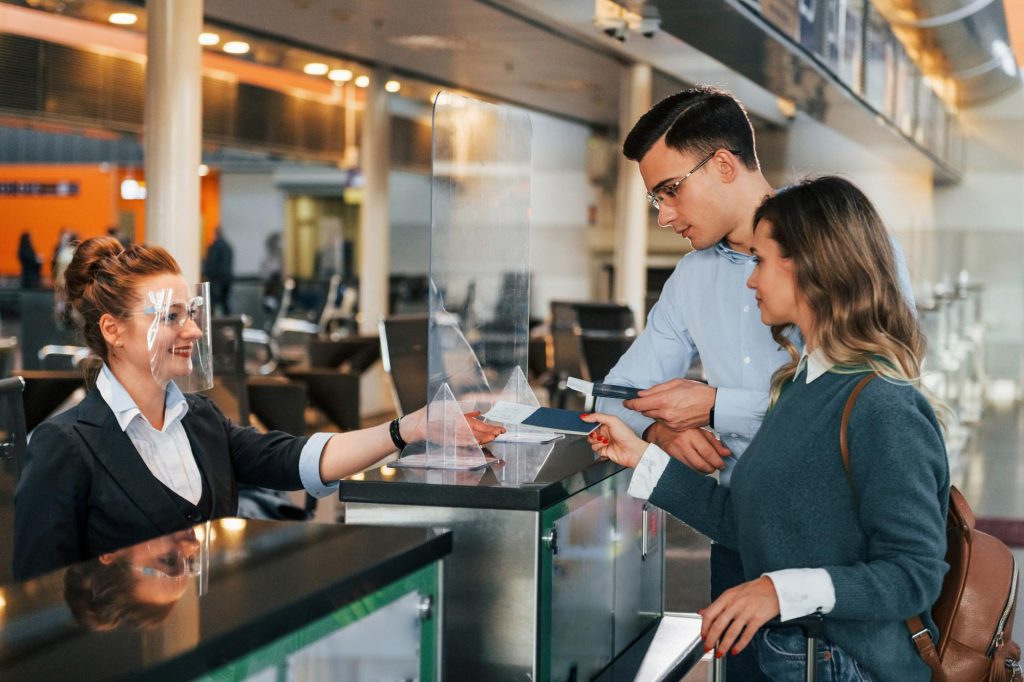
Details of notes when traveling by plane in each stage
To optimize your flight experience, here are detailed instructions. notes when flying divided into important stages: pre-flight preparation, airport check-in, air journey and arrival.
Phase 1 – Pre-flight Preparation
- Book the right ticket
- Choose a reputable airline, compare ticket prices, consider flight times and suitable routes.
- Read carefully the ticket information, return and exchange regulations, baggage and refund policies.
- Check ID
- Make sure your ID card/CCCD or passport (for international flights) is still valid.
- Prepare visas if needed, especially for travel to countries with strict entry requirements.
- Make a packing list
- Sort personal belongings and important items (passports, tickets, electronic devices) into carry-on bags.
- Prepare to check in heavy items, limit carrying liquids exceeding regulations.
- Health Tracking
- If you get airsick easily, consult your doctor and take anti-motion sickness medication.
- Drink enough water, avoid drinking too much coffee or alcohol before the flight.
Phase 2 – Check-in at the airport
- Come early to be proactive
- Be at the airport 90-120 minutes in advance for domestic flights, 2-3 hours in advance for international flights.
- Anticipate traffic jams and check airport gates.
- Queue, check-in
- Submit tickets, identification, and check in luggage if applicable.
- Check the information on your boarding pass, remember the gate number.
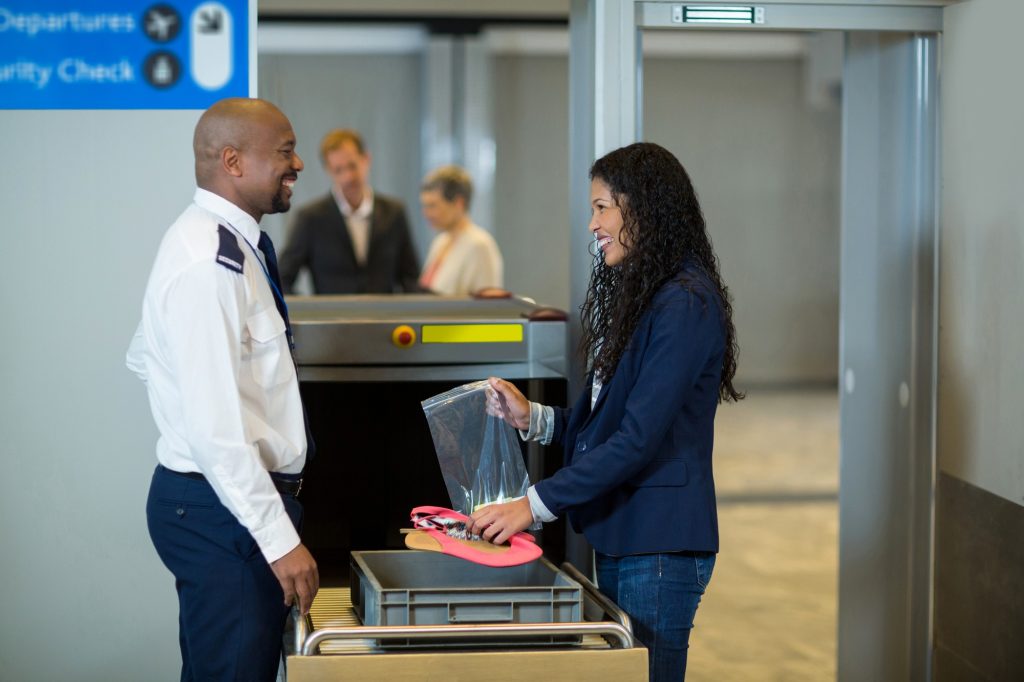
- Security check
- Keep electronic devices, watches, and belts in separate trays.
- Liquids must be kept in a clear zip bag, report to security if carrying special medicine or food.
- Waiting to board the plane
- Identify the departure gate, follow the airport loudspeaker announcements.
- Take advantage of the time to shop at duty-free stores or have a snack before your flight.
Phase 3 – On the Plane
- Choose the right seat
- If you need to stretch your legs, choose an aisle or exit seat (additional fees may apply).
- Bring a light jacket because the temperature on the plane is quite cold.
- Follow safety instructions
- Listen to the flight attendant's instructions about seat belts, oxygen masks, and life jackets.
- Avoid driving when the seat belt light is on.
- Use of electronic devices
- During takeoff and landing, leave the device in Flight Mode.
- No mobile broadcasting, limit interference to aircraft communication systems.
- Eating on the plane
- Most airlines serve snacks and drinks. If you bring your own food, follow hygiene regulations and avoid strong-smelling foods.
- Drink water regularly to prevent dry throat and dry skin.
Phase 4 – When the plane lands and baggage is claimed
- Maintain order when landing
- Keep your seat belt fastened until the plane comes to a complete stop.
- Limit jostling and pushing when getting off the plane, respect other passengers.
- Checked baggage claim
- Check flight number, conveyor belt.
- If you discover damaged or lost luggage, please report it immediately to the airport customer service desk.
- Immigration procedures (for international flights)
- Prepare your passport, customs declaration and visa (if applicable).
- Answer immigration officers' questions honestly and understand the regulations for bringing items into the country you are going to.
“When flying, you need to prepare valid identification documents, comply with regulations on carry-on baggage and liquids under 100ml, arrive at the airport early to check in, go through security, and listen to safety instructions from the flight attendants. Arranging a reasonable schedule will help you fly comfortably and smoothly.”
Conclusion and extension of experience
Hold on notes when flying not only helps you be proactive in every situation, but also brings an interesting flight experience, saves time, and ensures health safety. From preparing luggage, checking documents, to performing procedures at the airport, every step has certain principles. Don't forget to follow the latest policies from the airline and international regulations when you fly abroad.
Finally, stay relaxed, well-prepared, and informed. These practical tips will help you have a great flight, whether you’re traveling for business or pleasure.
